
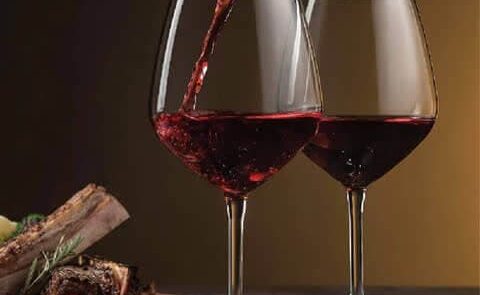
Red wine is one of the most appreciated alcoholic beverages in the world, with a millennia-old history, a wide variety of types, and an important role in gastronomy. Here’s everything you need to know, from its origins to production, varieties, pairings, and benefits.
Origin and History
Red wine has ancient origins, dating back 8,000 years to Georgia, where the earliest traces of grape fermentation were found. From there, it spread to Mesopotamia, Egypt, Greece, and Rome, becoming central in religious ceremonies, banquets, and trade.
During the Middle Ages, monks perfected winemaking techniques, particularly in France and Italy. Today, red wine is produced worldwide, with key wine regions in France, Italy, Spain, Argentina, Chile, the United States, South Africa and Australia.
Italian red wines have rich history that dates back thousands of years. Italy is one of the oldest wine-producing regions in the world evidence of grape cultivation and winemaking dating back to ancient Roman times.
The diverse geography and climate of Italy provide ideal conditions for growing a wide variety of grapes, resulting in a vast and varied selection of red wines.
From the prestigious regions of Tuscany and Piedmont to the lesser-known areas such as Sicily and Umbria, Italy offers a plethora of red wine options for every palate. Some popular Italian red wine varieties include Sangiovese, Nebbiolo, Barbera, Montepulciano, and Aglianico, each with its own unique flavor profile and characteristics.
Italian red wines are celebrated for their food-friendly nature, pairing well with a wide range of dishes from hearty pasta dishes to rich meats and cheeses. Whether you prefer a bold and tannic Barolo or a smooth and fruity Chianti, there is sure to be an Italian red wine that suits your taste preferences.
So, pour yourself a glass of your favorite Italian red wine, and raise a toast to the centuries-old tradition of winemaking in Italy, a story that continues to unfold with each bottle uncorked. Salute!
How Red Wine is Made
Red wine is produced by fermenting grape juice with the skins, which give it color and tannins. Here are the main production steps:
- Harvesting: Grapes are picked by hand or machine.
- Crushing: The grapes are pressed to extract the juice (must).
- Fermentation: The must ferments with the skins at 25-28°C (77-86°F), turning sugars into alcohol through natural or added yeasts.
- Maceration: The juice remains in contact with the skins for days or weeks to enhance color, structure, and aromas.
- Aging: The wine matures in stainless steel, concrete, or wooden barrels (barrique, large casks) before bottling.
Health Benefits of Red Wine
When consumed in moderation (1 glass per day for women, 2 for men), red wine can have health benefits thanks to polyphenols, especially resveratrol.
Main benefits:
- Protects the heart and reduces bad cholesterol (LDL).
- Has antioxidant and anti-inflammatory properties.
- May improve memory and reduce the risk of neurodegenerative diseases.
- Aids digestion when paired with meals.
Warning: Excessive consumption can lead to liver problems, weight gain, and addiction.
How to Serve and Store Red Wine
- Serving Temperature:
- Light wines (Pinot Noir, Gamay) → 14-16°C
- Medium-bodied wines (Sangiovese, Merlot) → 16-18°C
- Full-bodied wines (Cabernet, Nebbiolo, Syrah) → 18-20°C
- Glassware:
- Large glasses for full-bodied wines (Barolo, Bordeaux)
- Narrower glasses for light wines (Pinot Noir)
- Storage:
- Bottles should be stored horizontally, in a dark place, at 12-15°C (54-59°F) with 70% humidity.
- Once opened, consume within 2-5 days, keeping the bottle in the fridge (if white, otherwise red wines room temperature) with a vacuum stopper.
Fun Facts About Red Wine
- Amarone della Valpolicella is made from dried grapes, concentrating sugars and creating a rich, high-alcohol wine.
- The most expensive Bordeaux wine is Château Pétrus, with bottles exceeding $5,000.
- “Vin de Garage” in France refers to small producers making high-quality wines in limited quantities.
- Spain has the largest vineyard area in the world, but France is the top wine producer.
- Not all wines improve with age: only some wines benefit from long aging, while others lose freshness and aromas over time.
Red Wines and Best Food Pairings
Food and wine pairing follows the principle of balancing acidity, tannins, and structure.
Pairing wine with food can enhance the flavors of both the wine and the dish. Here are some classic food pairing suggestions for each type of red wine listed:
- Red meat → Cabernet Sauvignon, Syrah, Malbec
- Flavorful white meats (duck, rabbit) → Pinot Noir, Sangiovese
- Pasta with meat sauce → Chianti, Nero d’Avola
- Game meats (wild boar, venison) → Nebbiolo, Tempranillo, Amarone
- Dark chocolate → Primitivo, Zinfandel
Cabernet Sauvignon: Pair with grilled red meats, hearty stews, and aged cheeses.
Merlot: Goes well with roasted chicken, pasta with red sauce, and mushrooms.
Pinot Noir: A versatile wine that pairs well with salmon, duck, and earthy dishes.
Syrah (or Shiraz): Pair with barbecue, lamb, and spicy foods.
Zinfandel: Great with pizza, burgers, and tomato-based dishes.
Malbec: Pair with steak, empanadas, and grilled vegetables.
Sangiovese: Goes well with pasta dishes, pizza, and hard cheeses.
Tempranillo: Pair with chorizo, paella, and Spanish tapas.
Grenache: Goes well with Mediterranean cuisine, grilled meats, and vegetable dishes.
Cabernet Franc: Pair with pork, roasted vegetables, and herbed dishes.
Remember, these are just general guidelines, and personal preferences play a big role in wine and food pairing.
Red Wines Grapes
There are many grape varieties and styles, but some of the most famous are:
France
- Cabernet Sauvignon (Bordeaux) – Structured, tannic, with black fruit, Herbaceous, tobacco, and vanilla notes (if stored in barrel).
- Merlot (Bordeaux) – Soft, fruity, smooth tannin, it might be well structured.
- Pinot Noir (Burgundy) – Elegant, light, with strawberry, raspberry and spice aromas (if stored in barrel).
- Syrah/Shiraz (Rhône, Australia) – Powerful, spicy, with black pepper and plum notes (if stored in barrel).
Italy
- Sangiovese (Chianti, Brunello di Montalcino) – Fresh, tannic, with cherry and earthy notes.
- Nebbiolo (Barolo, Barbaresco) – Elegant, complex, with rose, leather, and truffle aromas (stored in barrel not less then 18 months).
- Primitivo/Zinfandel (Puglia, California) – Fruity, spicy, smooth.
- Nero d’Avola (Sicily) – Rich, with red fruit and chocolate hints.
Spain
- Tempranillo (Rioja, Ribera del Duero) – Smooth, with vanilla and berry notes (if stored in barrel).
- Garnacha (Grenache) – Fruity, spicy, with strawberry and pepper aromas.
New World Wines
- Malbec: (Argentina) – Soft, intense, with plum and chocolate notes.
- Zinfandel: (California) – Full-bodied, sweet, with blackberry and spice aromas.
- Cabernet Sauvignon: This popular red wine grape originated in France, specifically in the Bordeaux region. It is known for its deep color, rich tannins, and flavors of blackcurrant, tobacco, and green bell pepper.
- Merlot: Another prominent Bordeaux grape, Merlot is admired for its smooth, velvety texture and flavors of plum, cherry, and herbal notes. It is grown in regions worldwide, including France, Italy, and California.
- Pinot Noir: Originating in the Burgundy region of France, Pinot Noir is a delicate and elegant red wine. It showcases flavors of red fruit, earthy notes, and a silky texture. It is notoriously challenging to grow but highly sought after.
- Syrah (or Shiraz): Known as Syrah in France and Shiraz in Australia, this grape produces bold and full-bodied wines with flavors of dark fruit, pepper, and spices. It hails from the Rhône region in France.
- Zinfandel: While often associated with California, Zinfandel has its roots in Croatia. It is celebrated for its jammy fruit flavors, spice, and versatility in styles ranging from light and fruity to rich and robust.
- Malbec: Originally from France but now widely recognized as Argentina's flagship grape, Malbec yields wines with luscious dark fruit flavors, floral aromas, and a smooth finish.
- Tempranillo: Spain's most renowned red grape variety, Tempranillo, produces wines with flavors of red fruit, vanilla, and tobacco. It is the main grape in famous wines such as Rioja and Ribera del Duero.
- Grenache: Originally from Spain, Grenache is widely grown in France, Australia, and the United States. It delivers wines with ripe fruit flavors, high alcohol content, and soft tannins.
- Cabernet Franc: Another Bordeaux grape, Cabernet Fran is appreciated for its aromatic qualities, herbal notes, and flavors of red fruit and bell pepper. It is often used as a blending grape but can also shine on its own.
- Each of these red wine varieties brings a unique character and story to the world of wine, reflecting the diverse terroirs and winemaking traditions across the globe. Cheers to exploring and enjoying these wonderful wines!