
Introduction
“Amaro“ Digestive liqueurs, bitters and distillates: what changes?
A bitter is an alcoholic beverage flavored with botanical ingredients such as herbs, roots, bark, and citrus peels. It typically has a strong, bitter taste and is used in small quantities to add complexity and balance to cocktails. There are two main types: aromatic bitters, like Angostura, used in drops or dashes, and amaro-style bitters, which are usually consumed as aperitifs or digestifs.
An amaro is a traditional Italian herbal liqueur typically consumed as a digestif after meals. It is made by infusing alcohol with a blend of herbs, roots, spices, and citrus peels, then sweetened and aged. Amari (plural of amaro) have a characteristic bitter-sweet flavor and are believed to aid digestion. They vary widely in taste, alcohol content, and regional ingredients, ranging from light and citrusy to dark and intensely bitter.
Distillates
"Acquavite" is an Italian term meaning "water of life" and refers to a distilled spirit obtained from the fermentation of fruits, wine, or grains. It is a general term that can describe a wide range of spirits, including fruit brandies and other distilled beverages.
Here are some well-known types of acquavite and related spirits:
- Brandy: A spirit distilled from wine or fermented fruit juice. It's aged in wooden casks and often enjoyed as a digestif.
- Cognac: A type of brandy from the Cognac region in France, made under strict regulations using specific grape varieties and double distillation in copper stills.
- Armagnac: Another French brandy, produced in the Armagnac region. It is typically distilled once (instead of twice like Cognac), resulting in a more rustic and aromatic spirit.
- Rum: Distilled from sugarcane juice or molasses, rum can be light, dark, or spiced, and is produced in many countries, especially in the Caribbean.
- Tequila: A Mexican spirit distilled from the fermented juice of the blue agave plant, primarily produced in the region surrounding the city of Tequila.
- Whisky / Whiskey: A spirit made from fermented grain mash, aged in wooden barrels. “Whisky” is the spelling used in Scotland, Canada, and Japan; “whiskey” is used in Ireland and the United States.
- Gin: A neutral spirit flavored predominantly with juniper berries and other botanicals. It’s often used in cocktails like the Martini or Gin & Tonic.
- Vodka (or Wodka): A clear, neutral spirit traditionally made from grains or potatoes. It is known for its purity and smoothness, and is popular in many Eastern European countries.
These spirits can all be considered types of acquaviti, depending on the base ingredient and production method. Each has its own history, regional identity, and traditional uses—whether sipped neat, used in cocktails, or enjoyed as a digestif.
Whiskey Sours
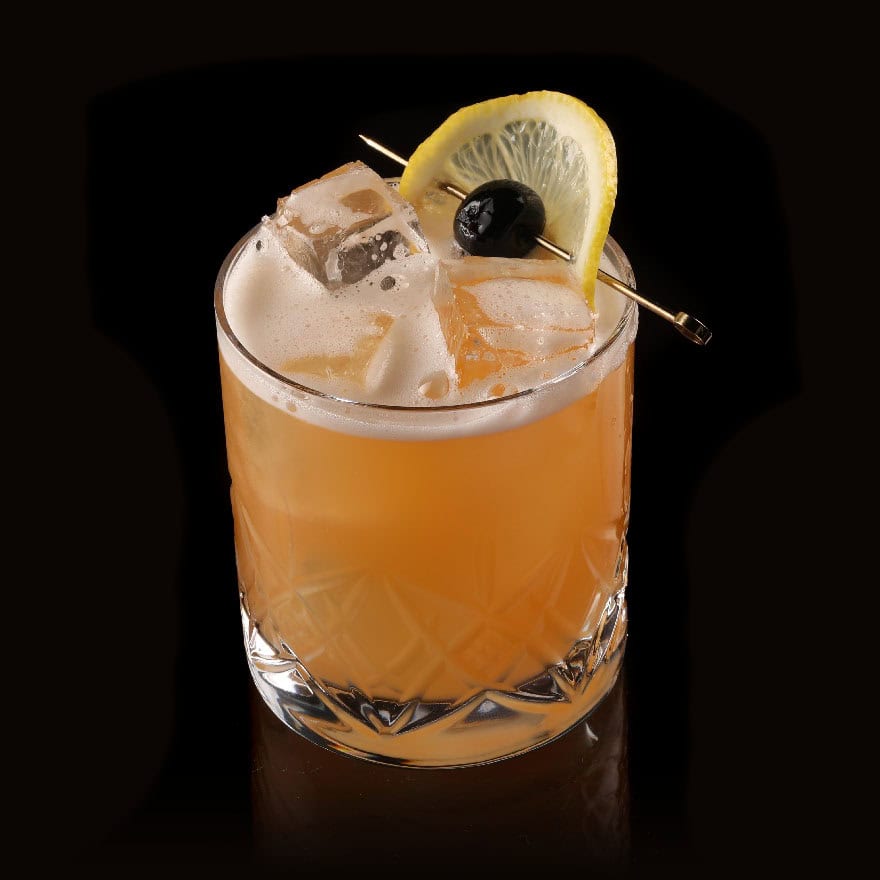
The whiskey sour is a fresh and delicate cocktail made with bourbon whiskey, lemon juice, sugar and egg white.
The absolute protagonist of "sour" cocktails - cocktails that contain a distillate - the whiskey sour was prepared for the first time way back in 1827 and owes its fame to its refreshing taste and its low alcohol content which make it perfect for a pre-meal or for an aperitif on the beach with friends.
The strength of the whiskey sour is all in the simplicity and in the very short list of ingredients which, however, must be first choice: the perfect whiskey is a bourbon whiskey whose slightly smoky taste is exhaled and balanced by lemon juice.
Ingredients:
Whiskey 4,5 cl
Lemon juice 3cl
Sugar syrup 1,5cl
Egg whites 1teaspoon
How to prepare:
-squeeze and filter the juice of a lemon
-fill a shaker with ice, pour in the whisky, lemon juice, sugar syrup and a spoonful of egg white
- shake vigorously for 10/15 seconds and pour - filtering with the appropriate tool or with a narrow mesh strainer - into an old fashioned glass filled with ice.
- serve if you like with a lemon peel or with a cherry dipped in maraschino.
Advice
To prepare an excellent whiskey sour you need to choose the ingredients carefully: the whiskey must be a bourbon whiskey and the lemon must be ripe enough to prevent its acid note from covering the rest of the flavours.
The original recipe calls for the use of granulated sugar in the glass together with ice, today it is preferred to use sugar syrup for a more delicate consistency and a more homogeneous mixture.
In a Whiskey Sour, the egg white can be replaced with aquafaba (the cooking liquid from chickpeas) to achieve a similar foam, or with products like "VeggySourFoamer" or "Upfoam" for a vegan, egg-free alternative.
Here are some egg white alternatives for a Whiskey Sour:
Aquafaba:
The liquid from cooked chickpeas, when vigorously shaken, creates a foam similar to egg white. In this case, it’s recommended to use chickpea aquafaba, which has been tested to produce a compact foam without the astringent sensation that egg white can sometimes give.
VeggySourFoamer:
This product, made from powdered aquafaba, is an easy-to-use substitute that dissolves in water and creates foam without using egg white.
Upfoam:
Another vegan product that, with just a few drops, creates a dense, soft foam on cocktails without altering the flavor.
Albuwhip:
A thickening powder that can be used as an alternative to fresh egg white to achieve a stable foam.
These alternatives allow you to prepare a Whiskey Sour without egg white, while maintaining the cocktail’s signature texture and mouthfeel.
Cuba Libre or Rum and Coke
I.B.A
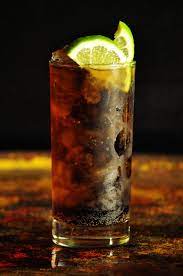
the combination of rum and cola is among the simplest and most famous in the world and this is why Cuba Libre is so successful.
The name of this long drink derives from the island of Cuba and the joy of its inhabitants who celebrated in the streets the liberation from Spain in 1898 obtained by fighting alongside the United States. American and Cuban soldiers used to mix cola with rum and, according to legend, a soldier asked for a cocktail with American coke, Cuban rum in a glass filled with ice and lime at the American Bar on Calle Nettuno and toasted "Por Cuba Free". The most accredited hypothesis is that it was born in Havana between 1900 and 1902 during the Spanish-American War precisely to unite two symbolic products of the two countries.
Ingredients:
White rum 5cl
Coca Cola 10cl
Lime juice 1cl
How to prepare:
Pour the ice into a tall tumbler to cool it and drain the excess water. Add the rum, cola and lime juice to the glass and mix. Serve with a slice of lime.
Tips and variations
The Cuba Libre fluctuates between 20 and 30 degrees but the trick to obtaining a perfect cocktail is to perfectly adjust the doses in the highball glass so as not to unbalance the flavor of the long drink too much.
If you are looking for a sweeter flavour, add half a lime cut into four parts, replace the lime juice with lemon juice and add two teaspoons of cane sugar (liquid sugar is better) to obtain a crushed cuba libre. In another variant, called Cubotto, the cola, however, is replaced with chinotto.