

There are numerous varieties of white wines, each with its own unique flavors and characteristics.
Some popular varieties include Chardonnay, Sauvignon Blanc, Riesling, Pinot Grigio, and Moscato.
Taste: White wines typically have a lighter and more refreshing taste compared to red wines. They can range from dry and crisp to sweet and fruity, depending on the grape variety and winemaking techniques.
Food Pairing: White wines are versatile when it comes to food pairing. They generally pair well with seafood, poultry, light pasta dishes, salads, and cheeses like brie and goat cheese.
Serving Temperature: White wines are best served chilled. The ideal serving temperature can vary depending on the specific wine, but a general guideline is to serve most white wines between 45-55°F (8-14°C). Stored in the refrigerator to preserve their flavors.
Popular White Wine Regions:
Some of the most well-known white wine regions in the world include Burgundy in France (known for Chardonnay and Pinot Noir), Bordeaux (Know for Cabernet Sauvignon, franc, Merlot) Marlborough in New Zealand (known for Sauvignon Blanc), and Mosel in Germany (known for Riesling).
Types of White Wine: White wines can be categorized based on their dryness and sweetness levels. From driest to sweetest,
Health
Benefits: Like all wines, white wines contain antioxidants and may have some health benefits when consumed in moderation. Studies suggest that moderate white wine consumption may be linked to heart health and lower risk of certain diseases.
Overall, white wines offer a wide range of flavors and styles to explore, making them a popular choice among many wine enthusiasts. They range from aromatic grape varieties to those with more subtle (neutral) aromas. Whether you prefer a dry and crisp white, an aromatic and fruity one, an aged or evolved style, or a sweet wine—perhaps made from late-harvest or dried grapes—there is a white wine to suit every palate.
White Wines Grapes
Whitines come in a variety of types, each with its own unique characteristics. Some common types of white.
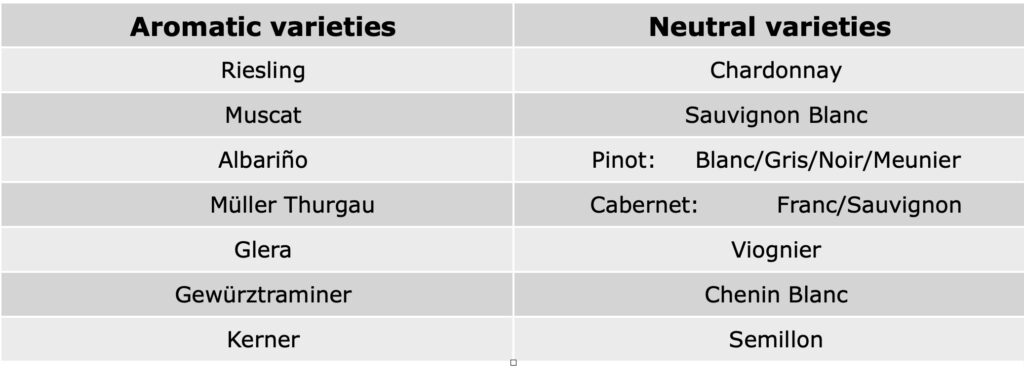
These are just a few examples of the many types of white wine available. Each type can vary in flavor, aroma, and style, making white wine a versatile and popular choice for many wine enthusiasts.
Chardonnay: Originating from the Burgundy region or France, chardonnay is one of the most popular and widely planted white wine grape varieties in the world.
Sauvignon Blanc: Originally from the Bordeaux region of France, Sauvignon Blanc is known for its crisp acidity and bright flavors. It is now grown in many wine regions around the world.
Riesling: Riesling hails from Germany and is known for its aromatic qualities, high acidity, and ability to express the terroir of the region where it is grown.
Pinot Grigio/Pinot Gris: This grape variety originated in France but is most commonly associated with Italy and Alsace, France. It produces light and refreshing wines with citrus and mineral notes.
Pinot Noir: Originating from the Burgundy region or France, Pinot Noir is one of the most popular and widely planted white wine grape varieties in the world.
Gewürztraminer: Gewürztraminer is believed to have originated in the Alsace region of France and is known for its exotic aromas of lychee, rose petals, and spice.
Viognier: Viognier is native to the Rhône region of France and produces full-bodied wines with rich aromas of peach, apricot, and honeysuckle.
Chenin Blanc: Chenin Blanc is originally from the Loire Valley in France but is now widely planted in South Africa. It can range from dry to sweet and is known for its high acidity and versatility.
Muscat: Muscat is one of the oldest aromatic grape varieties in the world and has been grown for thousands of years. It is known for its floral and fruity aromas. It can be Muscat withe, yellow, red.
Semillon: Semillon is a grape variety with origins in Bordeaux, France. It is often blended with Sauvignon Blanc to produce complex and age-worthy wines.
Albariño: Albariño is primarily grown in the Galicia region of Spain and is known for its vibrant acidity, aromaticity, citrus flavors, and persistence qualities.
These white wines showcase the diversity and complexity of the wine world, each with its own unique heritage and characteristics
White Wines and Best Food Pairings
The choice of wine depends on several factors, including the region of origin, yield per vine, winemaking technique, vintage, aging and maturation, as well as the wine’s evolution.
Chardonnay, pair with: Buttered lobster or crab, Grilled chicken or pork, Creamy pasta dishes
Sauvignon Blanc, pair with: Goat cheese or feta, Seafood dishes like shrimp, oysters, or sushi, Green salads with vinaigrette dressing
Riesling, pair with: Seafood dishes like shrimp, oysters, or sushi
Pinot Grigio, pair with: Light seafood dishes like scallops or clams, Caprese salad, Light pasta dishes with seafood or vegetables
Gewürztraminer, pair with: Asian dishes with ginger or soy sauce, Spicy dishes like Thai or Indian cuisine, Spicy foods
Fruit-based desserts (when sweet)
Remember, these are just guidelines and personal preference plays a big role in wine pairing. Experiment and find what combinations you enjoy the most!